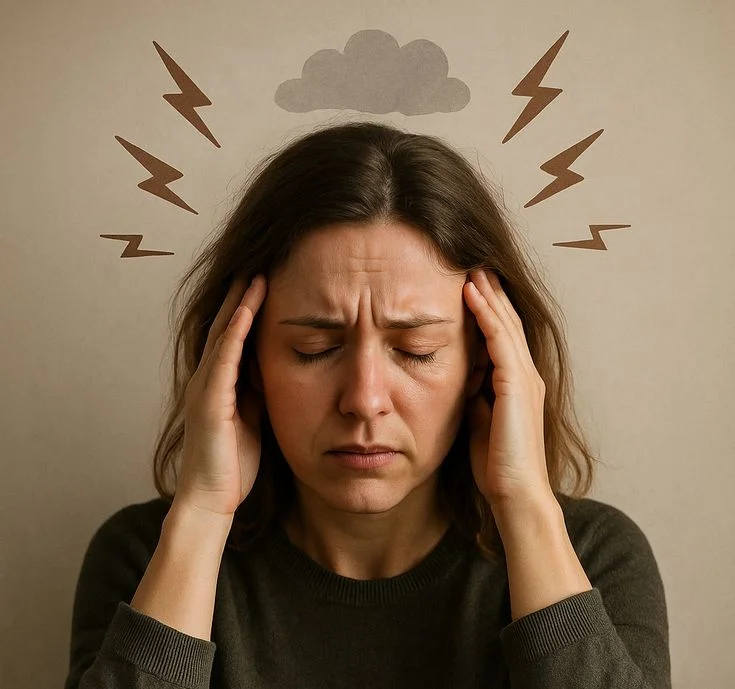
We all worry. Before an exam. Before a big presentation. Before making an important life decision.
But anxiety is different. It lingers. It grows. It convinces you that danger is everywhere – even when you’re safe.
Anxiety is not weakness. It’s not overreacting. It’s a mental health condition that affects millions of people worldwide, and it’s more common than many realize.
What Is Anxiety?
Anxiety is your body’s natural response to stress. It’s the “fight or flight” system activating to protect you.
The problem begins when this alarm system stays switched on, even when there’s no real threat.
When anxiety becomes excessive, persistent, and interferes with daily life, it may develop into an anxiety disorder.

Common Signs of Anxiety
Anxiety affects both the mind and body. You may experience:
- Constant worrying or racing thoughts
- Restlessness or feeling “on edge”
- Rapid heartbeat
- Shortness of breath
- Muscle tension
- Difficulty sleeping
- Avoiding certain situations
•Irritability or difficulty concentrating
Some people experience panic attacks — sudden waves of intense fear that can include chest tightness, sweating, dizziness, or feeling like something terrible is about to happen.

Why Anxiety Feels So Powerful
Anxiety hijacks the brain’s threat detection system. It convinces you that:
- “Something bad is about to happen.”
- “I won’t be able to handle this.”
- “I’m losing control.”
But anxiety thrives on uncertainty and “what if” thinking. The more we fight it or avoid situations, the stronger it can become.

Healthy Ways to Manage Anxiety
1. Slow Your Breathing
Deep, slow breathing tells your nervous system that you are safe. Try inhaling for 4 seconds, holding for 4, and exhaling for 6.
2. Ground Yourself
Use the 5-4-3-2-1 technique:
Name 5 things you see, 4 you feel, 3 you hear, 2 you smell, 1 you taste.
3. Challenge Your Thoughts
Ask yourself: Is this fear realistic? What evidence do I have? Replace catastrophic thinking with balanced thinking.
4. Move Your Body
Exercise helps release tension and reduces stress hormones.
5. Limit Stimulants
Too much caffeine and poor sleep can worsen anxiety symptoms.
6. Seek Professional Help
Therapy, especially Cognitive Behavioral Therapy (CBT) is highly effective for treating anxiety. In some cases, medication may also help.

When to Seek Help
If anxiety is:
- Interfering with work or school
- Affecting relationships
- Causing frequent panic attacks
- Making you avoid normal activities
It’s time to reach out. You don’t have to manage it alone.
Final Thought
Anxiety may be loud, but it is not in control. With the right tools and support, you can quiet the noise and regain balance. You are not your anxiety. And you are stronger than you think.
By Michael Adjei
